One pattern. Expressed across the whole deck.
The Equilibrium system presents a lens on the Tarot. A way of seeing the cards as a ten-stage process of transformation, aligned across both Major and Minor Arcana. In the Major Arcana, the stages split into pairs of opposites, an expressive "Solar" path and an introspective "Lunar" path. The minor arcana express the same sequence in four elemental groups.
Synthesis
We have been schooled in analysis. In seeking the things, breaking them apart, finding the tangible, fixed, specific details. Most of our education is all based on the idea that there is a right answer. Analysis is amazingly good for many things, but no matter how much data we gather, analysis can't really tell us if we have missed something entirely, and it can never tell us when we have enough.
The Tarot teaches a different way of thinking: synthesis. (Synthesis is so disregarded in our society that the word "Synthetic" has come to be synonymous with "Fake" — when it actually is just the process of working with synthesis.) Tarot teaches us how the parts fit together, to see, not the things, but the relationships between the things. Synthesis is never going to give you exact answers, it's not about the specific details, it's about the patterns.
In learning how to work with synthesis, we learn to see connections between things, to be aware of how changes here align with changes there, how the pattern in an area is incomplete, how a path will most likely unfold. This is how Tarot allows us to see what lies ahead.
Questions not answers
The cards are pictures for a reason. They are questions, ways of seeing, patterns that can be recognised. The moment we turn the cards into words, we lock them down to a particular moment, a specific context and limit them. These patterns exist in every context, so, any use of words is temporary, any name is just a pointer, the real meaning is not in the words.
But images come with their own baggage. The Tarot has accumulated symbols from particular cultures and times too. And we have to deal with all sorts of issues around Death and The Devil. So, the Equilibrium Deck points to something underneath the symbols — to the position the cards hold in the cycle of life.
The Equilibrium cards are a teaching tool: they ground the traditional tarot in the natural world. The Equilibrium card gives you a natural anchor, a way to link the card to something that you already know deep in your very bones, while the traditional card gives you the rich symbolism that makes the Tarot so powerful.
Two. Four. Ten.
The cycle of life is undivided, it's a natural flow from beginning to end, but in order to understand it we need to partition it. If we divide it into two parts or ten parts, the cycle is still the same, we just end up with different lenses on the same thing.
Two
If we divide the cycle in two, we get the first half as the outward movement, from beginning to the zenith, and the second half is the return home. In the Equilibrium Deck these are named the Solar arc (outwards) and the Lunar arc (return). They correspond directly to Yang and Yin in Chinese, Daoist thinking.
Four
If we divide the cycle into four, we get the seasons. Spring, summer, autumn and winter. We can also see the four divisions as the four elements fire, earth, air and water.
Ten
Dividing the cycle into ten parts just gives us ten parts, it also doesn't change the cycle in any way. The way in which the cycle is divided gives us a different resolution, but the meaning is consistent.
In the Equilibrium deck, we've given them names to better communicate them, but don't get distracted by the names, they are just words. To show that these ten stages are also not mystical concepts we've given the stages names based on systems and the way different systems interact.
Combinations
The Tarot has two main parts. The Major Arcana — the famous picture cards — and the Minor Arcana — essentially standard playing cards. The Minor cards are again split into two parts — the number cards and the royals. In practice, three separate sets of cards.
The Major Arcana meanings are a combination of the cycle split into 10 and the cycle split in two. Essentially each of the 10 stages is divided into an outward facing card and an inward facing card. (And two special ones.)
The ten stages unroll from circle to line; each stage opens into an outward (Solar) and an inward (Lunar) card — the twenty cards of the Major Arcana.
The number cards of the Minor Arcana take the 10 stages and they combine it with the 4 stages. This gives us 40 number cards. The Royal cards offer us 16 anthropomorphised characters for the seasons.
The same ten stages, fanned across the four seasons — forty number cards.
Ten stages. Two directions. One cycle.
Every living system — biological, ecological, organisational, psychological — moves through recognisable stages. Growth is not random. Transformation is not arbitrary. Divide the cycle into ten positions, and you always get this sequence.
Stages 1–5 · Formation
How any coherent entity — a self, a project, a relationship — comes into being. The structural moves by which something distinguishable from its environment takes shape.
Stages 6–10 · Relation
The same five positions, now scaled to inter-system complexity. Not a new sequence — the same one, operating at the boundary between two formed systems.
A seed becoming fruit is the algorithm. Projects, relationships, organisations, and personal development all move through the same shape. We never get to escape.
The attraction of opposites powers the great wheel.
Each stage has two expressions — one outward, one inward. Paired across the cycle, they give each other meaning.
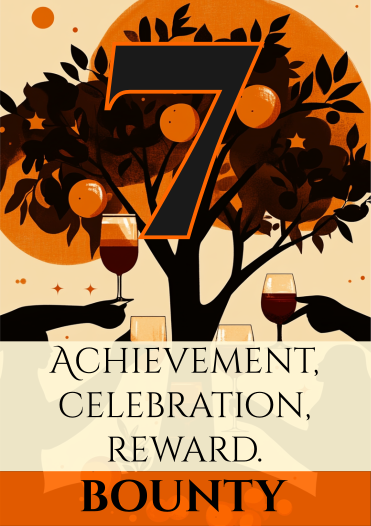
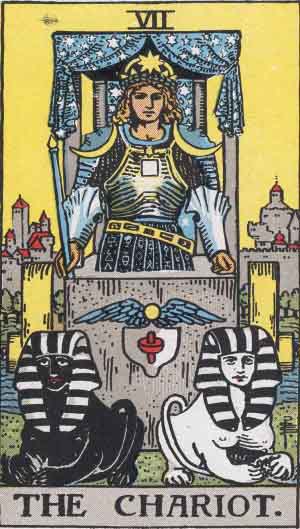
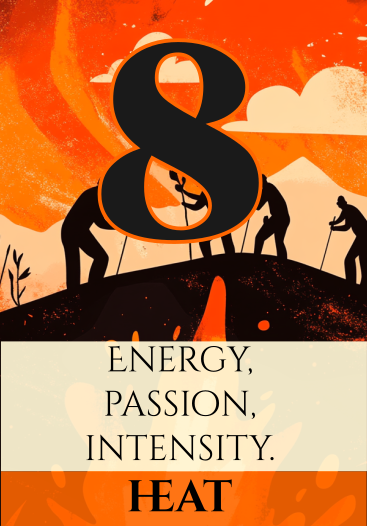
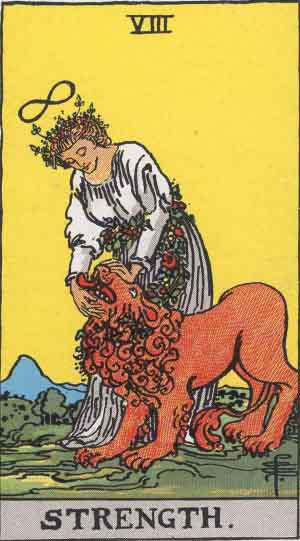
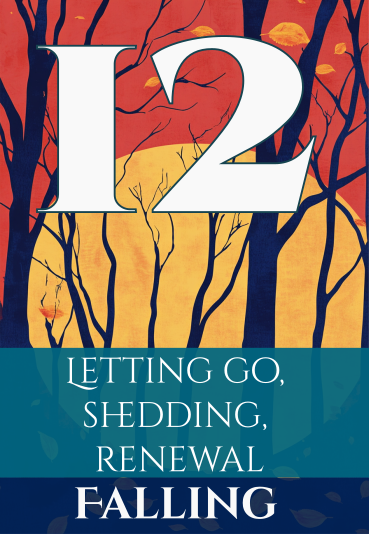
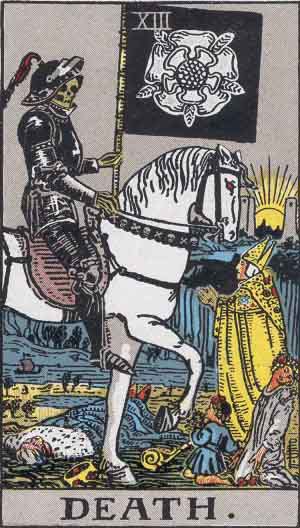
Start with the whole cycle. Each card sits in its position on the wheel, and each one flips to its Rider–Waite–Smith counterpart.
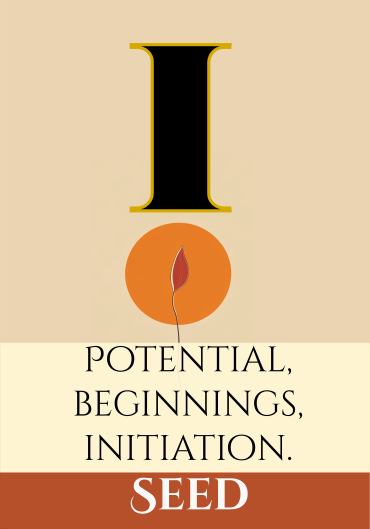
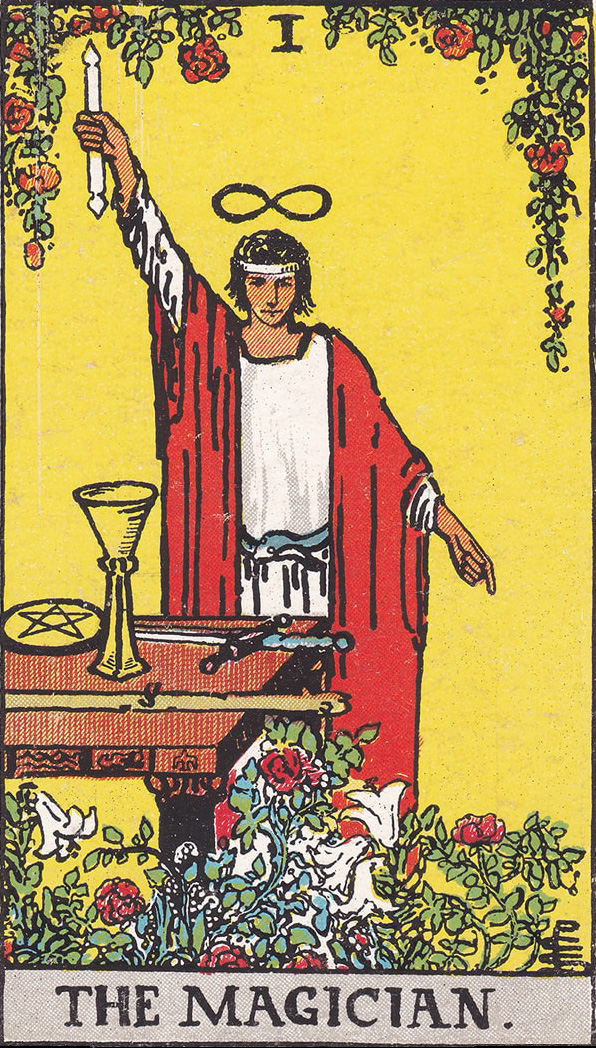
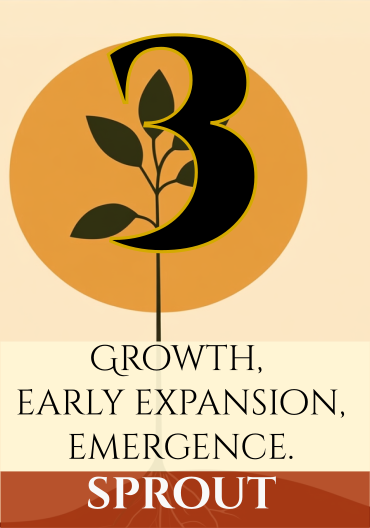
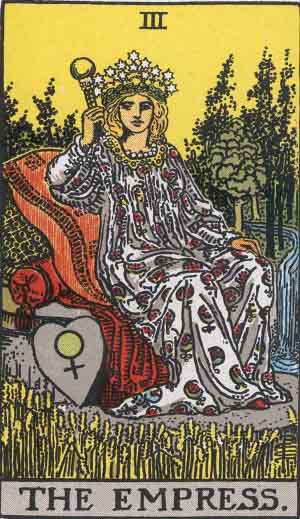
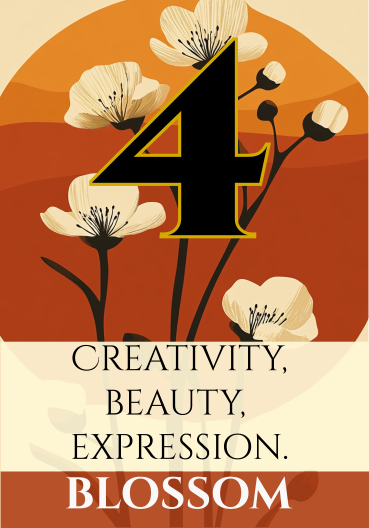
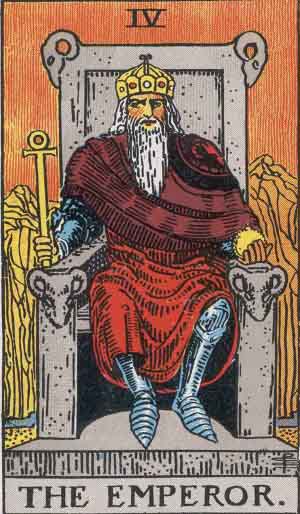
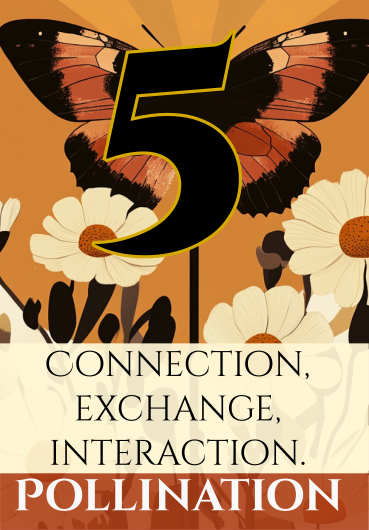
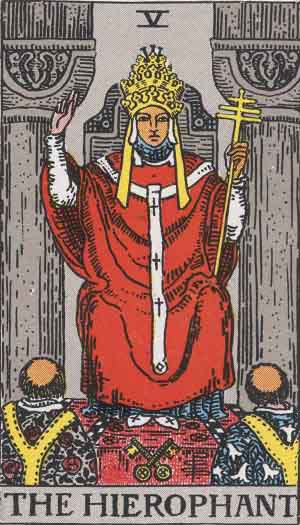
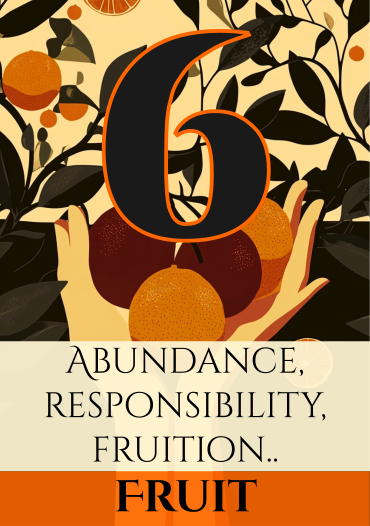
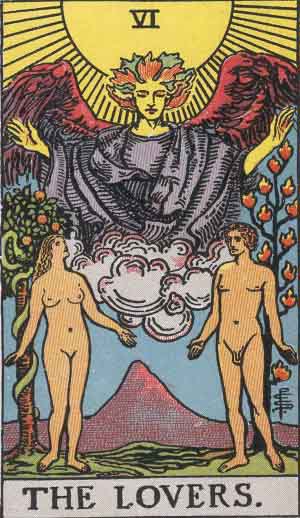
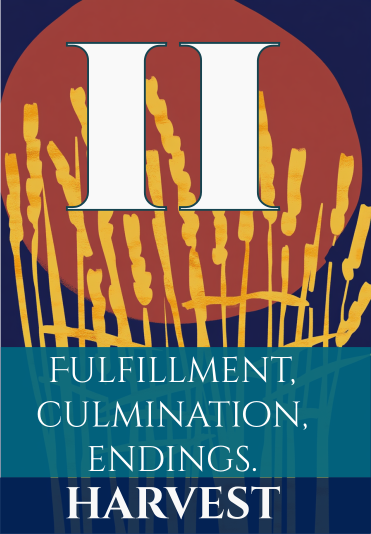
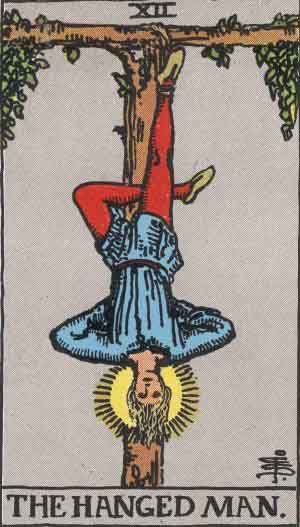
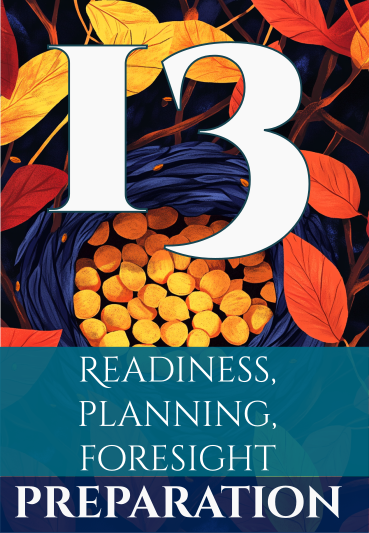
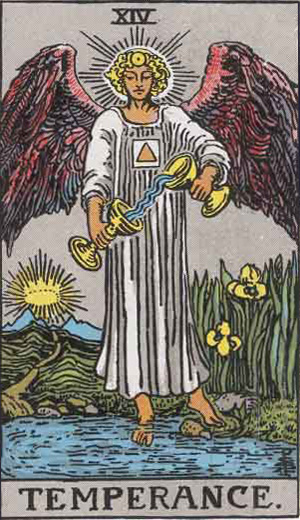
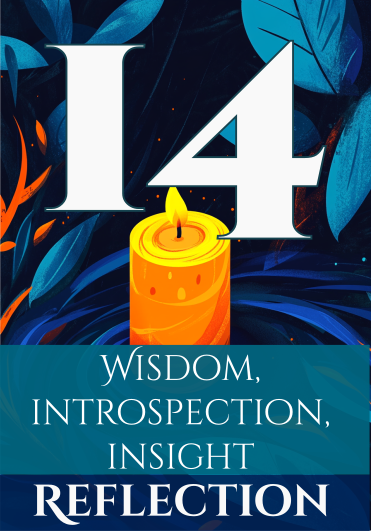
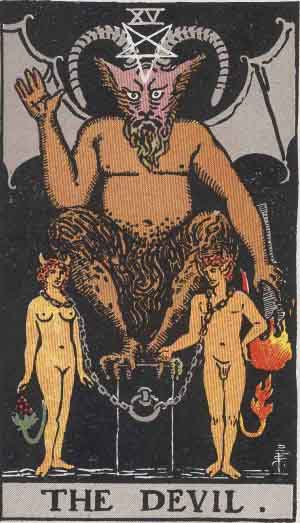
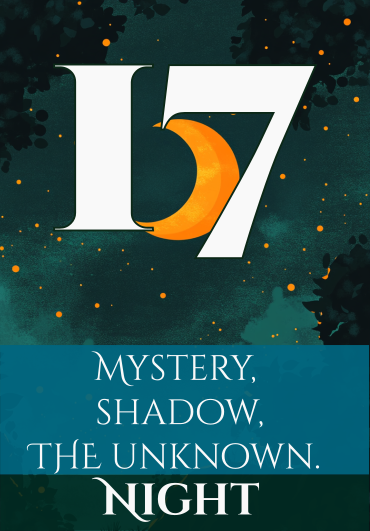
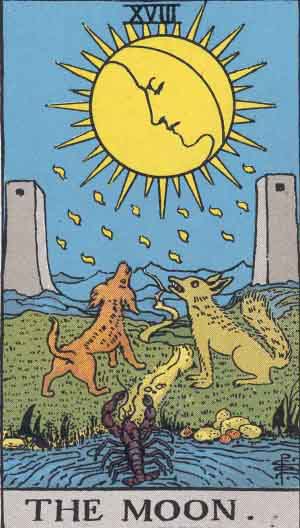
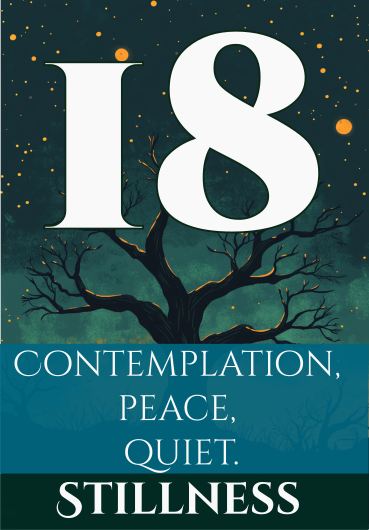
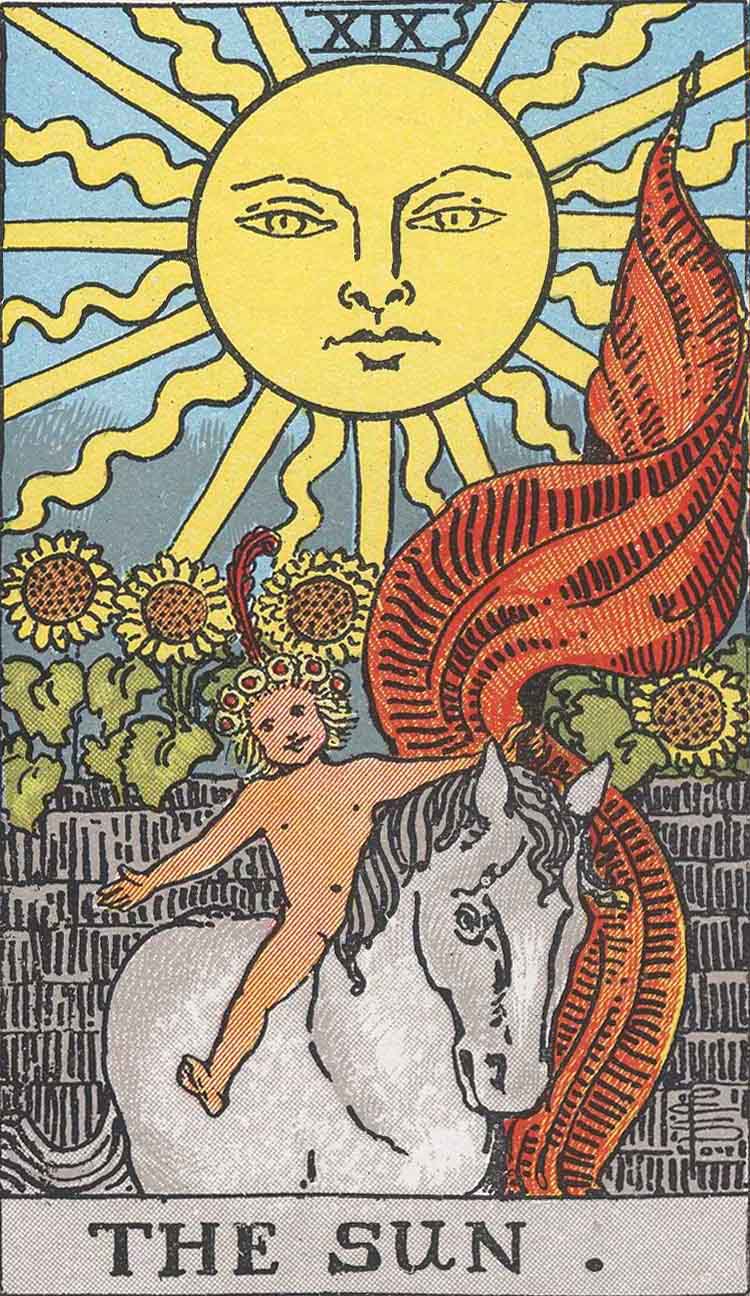
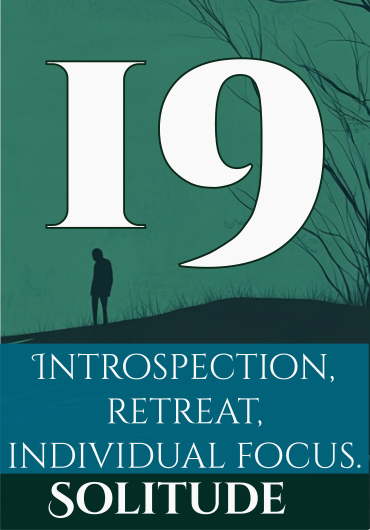
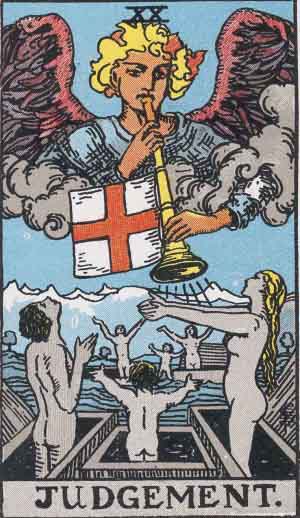
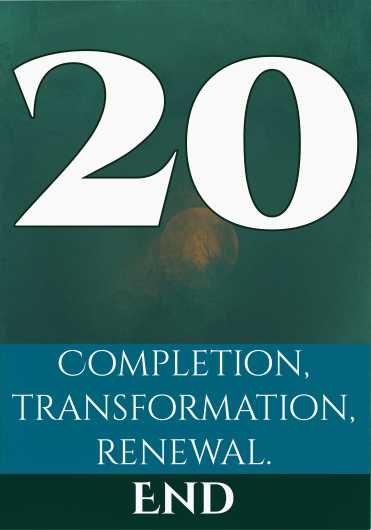
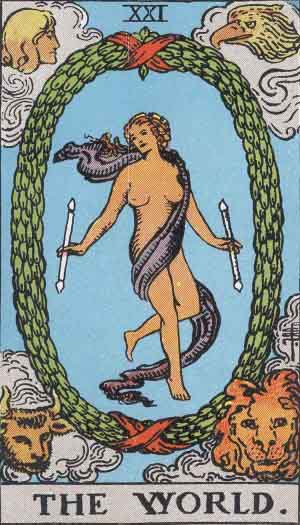
Seed (1) ↔ Harvest (11)
Active will and surrendered will. The same boundary-making energy — one projected, one received. You plant not knowing; you harvest knowing.
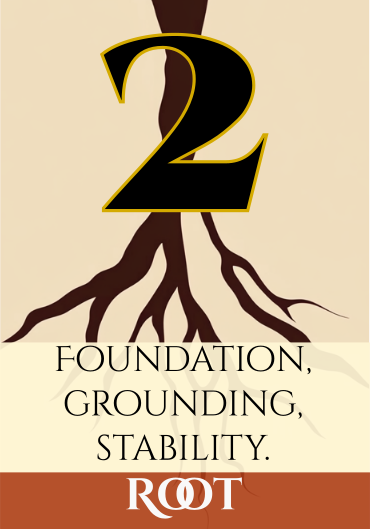
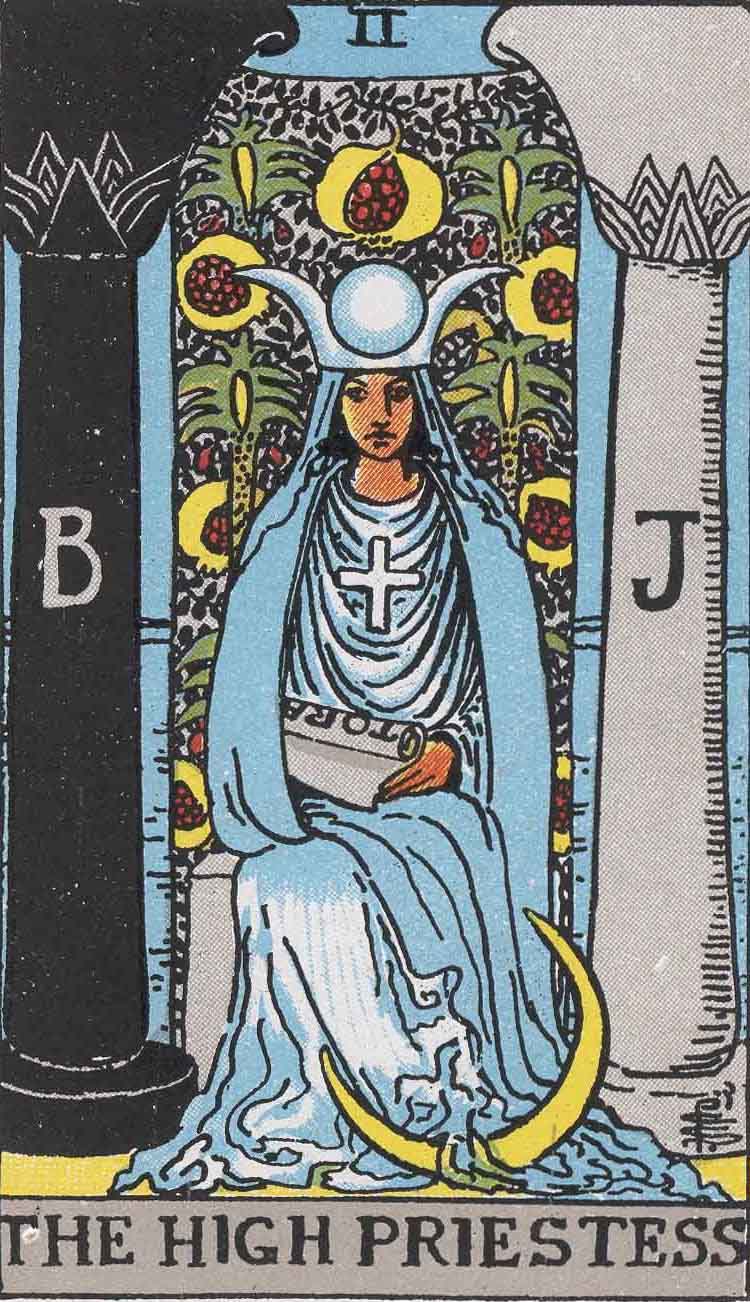
Root (2) ↔ Falling Leaves (12)
The underground network and the conscious release. Foundation and dissolution. Both trust deeply — one by holding, one by letting go.
Sprout (3) ↔ Preparation (13)
The shoot breaks through into light; the inward gaze recognises the pattern. Emergence outward and emergence into awareness.
Blossom (4) ↔ Reflection (14)
The structure that enables and the structure that imprisons. Power and the reckoning with power.
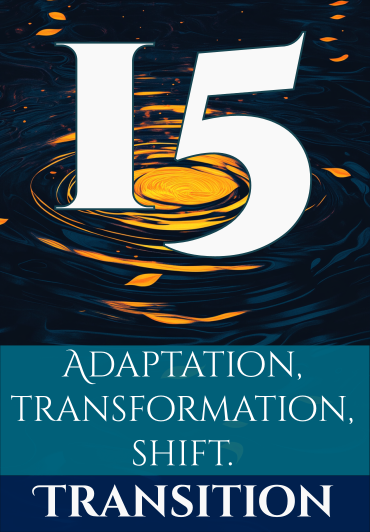
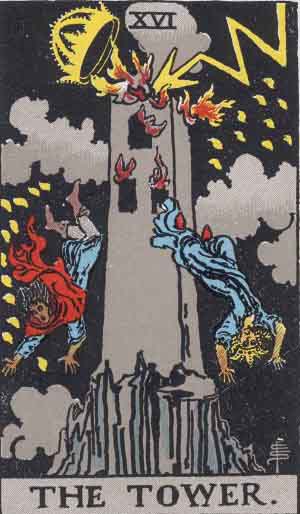
Pollination (5) ↔ Transition (15)
The rough contact that enables creation, and the violence of necessary dissolution. Both are the loss that makes growth possible.
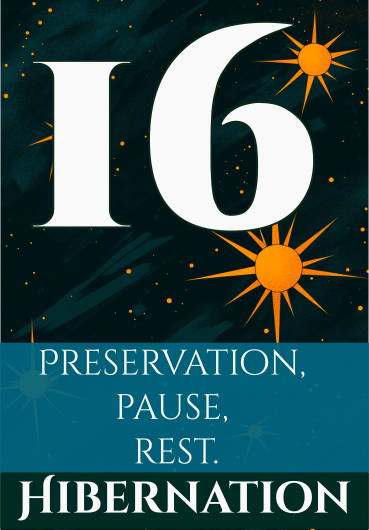
Fruit (6) ↔ Hibernation (16)
The sweet moment of outward achievement and the interior quest that shapes what could be. Both carry the memory of the journey.
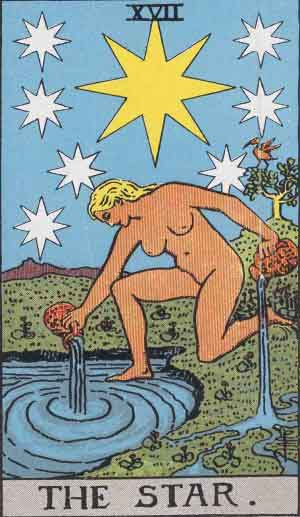
Bounty (7) ↔ Night (17)
Coordinated skill moving through abundance, and solitary navigation through inner darkness. The terrain of success, lit and unlit.
Heat (8) ↔ Stillness (18)
The passionate work of integration and the effortless radiance that emerges from it. The forge and the dawn light. Two kinds of strength.
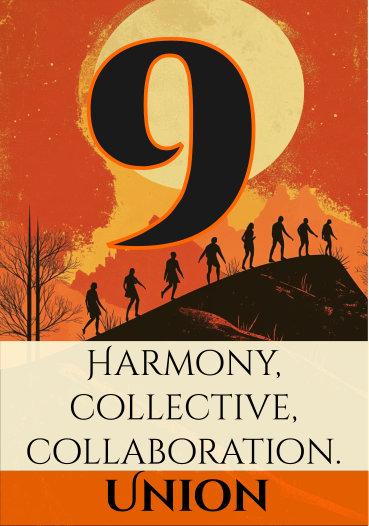
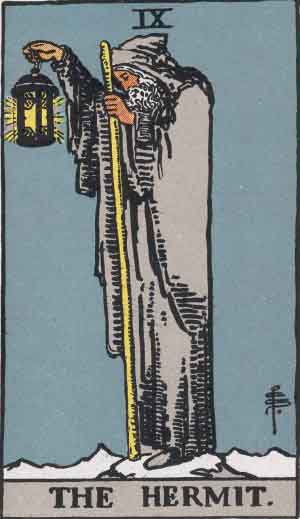
Union (9) ↔ Solitude (19)
You can only truly unite with another if you can truly stand alone. You can only truly stand alone if you've known genuine union.
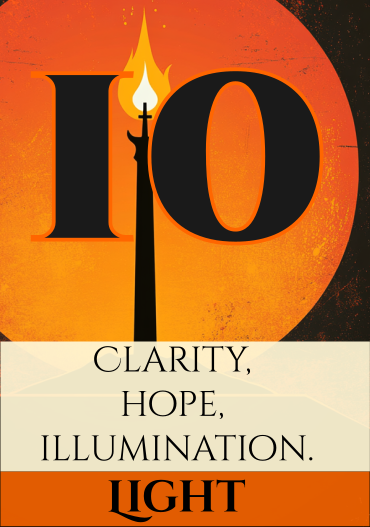
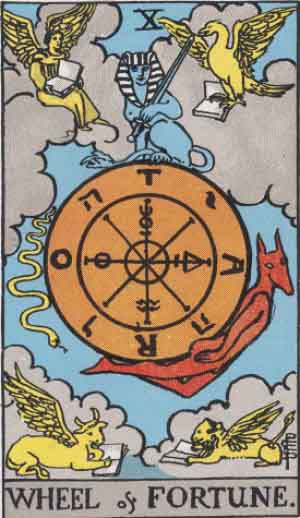
Light (10) ↔ End (20)
Retrospective clarity seeing the wheel entire, and the overwhelming revelation of the complete cycle. The homecoming that shows the journey was the return.
Each pair is explored in depth in the individual card descriptions.
Where do the Fool and Justice sit?
They are not missing from the sequence. They are the sequence's two structural still points — the moments of zero velocity that give the motion its shape.
The Fool · 0
Before the first step. Pure potential, undefined — the moment before commitment. The pendulum at rest: all energy is potential, nothing yet determined. It could swing in any direction. Possibility itself.
"To whomever emptiness is possible, all things are possible. To whomever emptiness is not possible, nothing is possible."
Justice · The Silent Apex
Not a card but a condition. At the apex — between card 10 and card 11 — the pendulum has converted all kinetic energy back to potential at full extension. You've gone as far as you can in this direction. Zero velocity again, but this time accumulated. Impossibility in this direction; inevitability of the turn.
"Justice is that moment at the top of the jump… The fraction of a second where we are still, not going up or down, not able to do anything about our situation except adjust our internal balance."
The Fool (0/1) sits before the first card — undifferentiated potential, everything possible, nothing committed to. Zero and infinity in the same card.
Justice (1/0) sits between card 10 and card 11, at the apex of the arc. Not a stage to inhabit but a threshold to cross. Both still points share the same physical state: zero velocity, maximum potential energy. The paradox is that same stillness carries opposite meanings — one hasn't released its energy yet, the other has gathered it all back.
Two still points. Between them, the twenty cards.
Digging into some of the surprises.
The Devil → Reflection
Strip out the moral panic — chains, addiction, external darkness — and what remains is more uncomfortable: the structure that imprisons you is yours. You built it. No demonic other. Just the mirror you've been avoiding.
The Sun → Stillness
The Sun is traditionally the most unambiguously positive card: radiance, triumph, the child on horseback. In the Equilibrium system it sits at Imbolc — the first light returning, but still entirely interior. The ground is still frozen. Nothing is showing yet. The radiance of successful integration doesn't perform itself.
The Hermit → Union
The Hermit's wisdom was never about the withdrawal. What happens in solitude becomes the capacity for genuine union. The lantern isn't for lighting your own path — it's what you bring back to the meeting point.
Temperance → Preparation
Temperance as moderation misses the point entirely. At position 13, what's needed is equanimity — not restraint, but the deep okayness of someone who understands cyclical time. Working with flow, not against it. The angel doesn't moderate the water; she moves it between worlds.
Judgement → Solitude
The traditional image — bodies rising at the trumpet's call, summoned from outside — inverts the actual structure. Position 19 is inward understanding: the readiness that was always interior, not summoned from without but discovered within. The call was never external. It was always already there.
The working principle.
Don't believe any of this. It's all made up. But that doesn't mean it's not useful. Or even perhaps a fragment of a "truth".
The relationships between cards are not drawn from books, they are drawn from working with the cards themselves. From laying them out and seeing how they connect, tracing patterns, watching how their meanings relate to and influence each other.
The goal is to give you a solid grounding that will allow you to trust your intuition. The intuition this seeks to cultivate is not the ability to just make up random stuff — but to sense real patterns with as little prejudice as possible.
You don't need to believe in the Tarot. But use the Tarot to test what you believe. What is The Devil? Why does Death fit where it does? None of these cards are arbitrary, each has its place. The card meanings don't come from the symbols, they come from the position in the cycle. There are no bad cards. No card sits on its own.